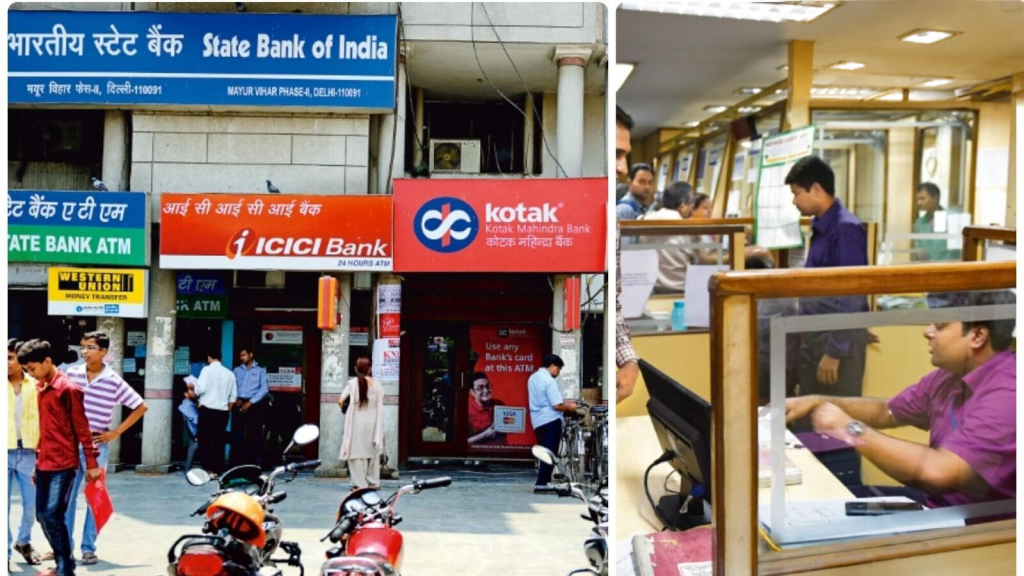
Bank branches across Dehradun, Uttarakhand, will remain closed on Friday, November 20, in observance of Igas-Bagwal, a regional festival widely celebrated across the Himalayan state. Under the holiday schedule notified by the Reserve Bank of India (RBI), in-person banking operations in the state capital will pause for the day, while branches in other parts of the country will conduct regular operations unless marked by specific local holidays.
The regional closure applies to major public and private sector lenders operating throughout Dehradun, including State Bank of India (SBI), Punjab National Bank (PNB), HDFC Bank, and ICICI Bank. Consequently, physical counter services, branch-based cash deposits, administrative paperwork, and paper-based cheque clearances will not be processed on Friday. However, online infrastructure will function normally. Customers will maintain uninterrupted access to digital banking platforms, mobile applications, Automated Teller Machines (ATMs), and Unified Payments Interface (UPI) services for transfers and essential financial transactions.
Banking Schedule in Dehradun
Branches in Dehradun will operate under the following schedule during the week:
- Tuesday, November 17: Branches will remain open.
- Wednesday, November 18: Branches will remain open.
- Thursday, November 19: Branches will operate normally.
- Friday, November 20: Branches closed for Igas-Bagwal.
- Saturday, November 21: Branches will remain open, as it is the third Saturday of the month.
- Sunday, November 22: Branches closed for the weekly holiday.
Significance of Igas-Bagwal
Igas-Bagwal, commonly referred to as Budhi Diwali or Old Diwali, holds deep cultural significance in Uttarakhand, particularly throughout the Garhwal and Kumaon regions. Falling 11 days after Diwali, the festival takes place on Ekadashi during the Shukla Paksha (the bright fortnight) of the Hindu lunar month of Kartik.
According to regional folklore, the delay stems from the remote and rugged geography of the Himalayan hills, which prevented news of Lord Rama’s return to Ayodhya from reaching local villages until nearly two weeks after the nationwide celebrations. A parallel historical account links the festival to Madho Singh Bhandari, a celebrated 17th-century Garhwali military commander whose victorious homecoming from a military campaign in Tibet occurred days after Diwali, prompting delayed festivities.
Festivities are highlighted by the traditional Bhailo ritual, also known in several regions as Holla. Villagers bind together resin-soaked pinewood, ignite the bundles, and twirl them rhythmically on ropes, generating glowing fire rings in the evening sky. Cattle worship also forms a cornerstone of the festival. Rural farming households bathe and decorate their livestock, offering them specially prepared meals made from local grains and pulses to honor the indispensable role animals play in hill agriculture.