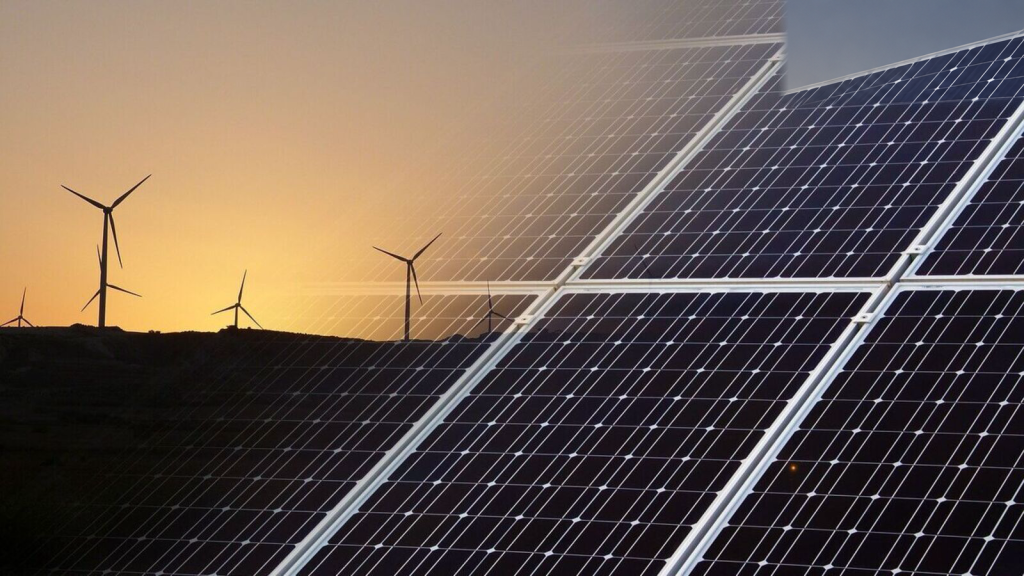
Amazon has unveiled plans to procure $7 billion worth of renewable energy in India by 2030, significantly deepening its clean power footprint across the country. The fresh capital commitment comes on top of the $4 billion already contracted by the enterprise for renewable energy investments in India, taking its overall green power allocations in the domestic market to substantial new levels.
Decarbonization Targets and Emissions Baseline
The planned expansion directly supports Amazon’s broader worldwide sustainability framework, which targets a 65% reduction in the carbon intensity of the electricity powering its global operations by 2030, measured against a 2019 baseline. The company framed this milestone as a crucial checkpoint toward its overarching Climate Pledge objective of achieving net-zero carbon emissions across its enterprise by 2040, amid escalating international energy demand.
Power Purchase Agreements Across Three States
Alongside the long-term investment roadmap, Amazon finalized new power purchase agreements totaling approximately 934 megawatts of renewable capacity with domestic clean energy developers ReNew, Sunsure, and Waaree. Under these contracts, Sunsure will deliver 234 MW of wind energy from Bijapur, Karnataka, along with 200 MW of hybrid solar and wind capacity located in Tumkur, Karnataka. Waaree will supply 300 MW of solar power generated from a facility in Mandsaur, Madhya Pradesh, while ReNew will provide 200 MW of solar capacity from Dinkar, Rajasthan.
These newly executed power purchase agreements fall under Amazon’s existing $4 billion capital expenditure program rather than the newly announced $7 billion allocation. With the inclusion of these contracts, Amazon’s operational and contracted clean power capacity in India will reach 2 gigawatts. Across the country, the company’s domestic energy footprint encompasses power drawn from 14 utility-scale wind and solar installations feeding carbon-free electricity into the grid, supplemented by 43 on-site solar installations deployed across its local logistics and operational facilities.
Union Minister for New and Renewable Energy Pralhad Joshi stated that large-scale corporate investments play an important role in advancing India’s clean energy goals, strengthening national energy security, and supporting sustainable economic growth. Joshi observed that such commitments demonstrate the growing confidence of global corporations in India’s renewable energy ecosystem, highlighting the sector’s capacity to draw long-term capital, create local economic opportunities, and accelerate the country’s clean energy transition.
Kara Hurst, chief sustainability officer at Amazon, noted that the additional $7 billion investment underlines the company’s long-term commitment to bringing fresh wind and solar capacity online while supporting national energy stability. Hurst explained that expanding access to renewable energy at scale is intended to help address India’s expanding electricity requirements, reinforce energy security, and contribute meaningfully to the country’s target of reaching net-zero carbon emissions by 2070.
Industry Scale and Corporate Adoption
On a global scale, Amazon stands as one of the largest corporate buyers of carbon-free power, maintaining a portfolio of more than 700 wind and solar projects with a combined capacity surpassing 40 gigawatts. The company’s expansion in India mirrors a broader wave of green procurement by global technology leaders, driven by efforts to align corporate decarbonization with the Indian government’s target of establishing 500 gigawatts of non-fossil power capacity by 2030. In June, Meta entered into agreements with CleanMax and Fourth Partner Energy to procure approximately 1 gigawatt of clean energy, following Google’s partnership with ReNew in December to source 150 megawatts of green electricity.