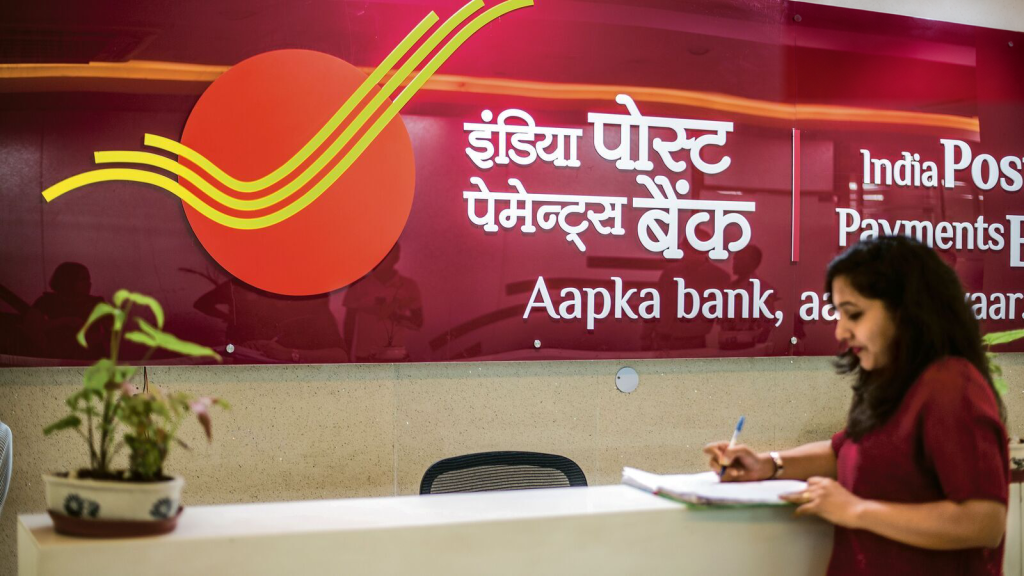
The Union Cabinet on Wednesday approved ₹1,141 crore for a five-year “Postal Operations” scheme that will run during the 16th Finance Commission cycle, from FY2026-27 to FY2030-31. The funding is intended to modernise India Post’s mail and parcel networks, improve rural connectivity, upgrade technology and enhance customer services across the country.
The investment comes as India Post seeks to expand beyond traditional mail delivery and strengthen its role in logistics, financial inclusion and digital public services. E-commerce is generating growing demand for parcel transportation, and the scheme is meant to improve the department’s operational capacity and competitiveness in that market.
India has one of the world’s largest postal networks, with around 1.65 lakh post offices, including 1,49,655 in rural areas. Besides letters and parcels, India Post provides banking, insurance, Aadhaar enrolment and updation, passport and KYC services. Its network also supports rural artisans and exporters through Dakghar Niryat Kendras.
Six components of the Postal Operations scheme
The ₹1,141-crore allocation is divided across six sub-schemes, with the largest share going to mail and parcel operations.
Mail Network Optimisation: ₹575 crore
The largest allocation will fund modernisation through centralised delivery systems, mechanisation and advanced IT solutions under Advanced Postal Technology (APT 2.0). The plan includes GIS-based services, upgraded mail-handling infrastructure, improved delivery post offices, stronger road transport networks and smart 24×7 letter boxes. The objective is to improve delivery efficiency, transparency and service quality.
Parcel Network Optimisation: ₹278 crore
This component is aimed at strengthening India Post’s capacity to handle rising parcel volumes, particularly from e-commerce businesses and rural markets. It covers constructing parcel hubs and expanding Parcel Packaging Units. A redesigned sorting framework is expected to streamline parcel movement, reduce handling points, ease capacity constraints and improve transit times.
Rural Business and Access to Postal Network: ₹120 crore
The allocation will support infrastructure upgrades, standardised branding and better resource utilisation at rural post offices. The aim is to develop them into citizen-centric service hubs, improving financial inclusion, digital connectivity and access to essential services in underserved areas.
Marketing Functions, including Quality of Service: ₹100 crore
India Post will invest in branding, outreach and customer engagement through television, digital, radio, print and outdoor campaigns. The component also covers social media outreach, exhibitions, Dak Chaupal activities, market research and quality-of-service assessments.
Philately Operations: ₹60 crore
The scheme seeks to promote stamp collection through exhibitions, seminars, quizzes and school philatelic clubs. It also proposes innovative stamp designs, including scented, holographic and 3D stamps, alongside initiatives such as the Dhai Akhar letter-writing competition and the SPARSH scholarship.
International Mail Infrastructure: ₹8 crore
This allocation will upgrade Foreign Post Offices and Sub Foreign Post Offices to improve the processing of international consignments. It will also support technology integration, compliance and export logistics.
The five-year investment is intended to position India Post as a stronger player in the country’s expanding logistics and e-commerce ecosystem while retaining its role as a key provider of public services. The scheme also aligns with the broader objectives of Digital India, Atmanirbhar Bharat and Viksit Bharat.