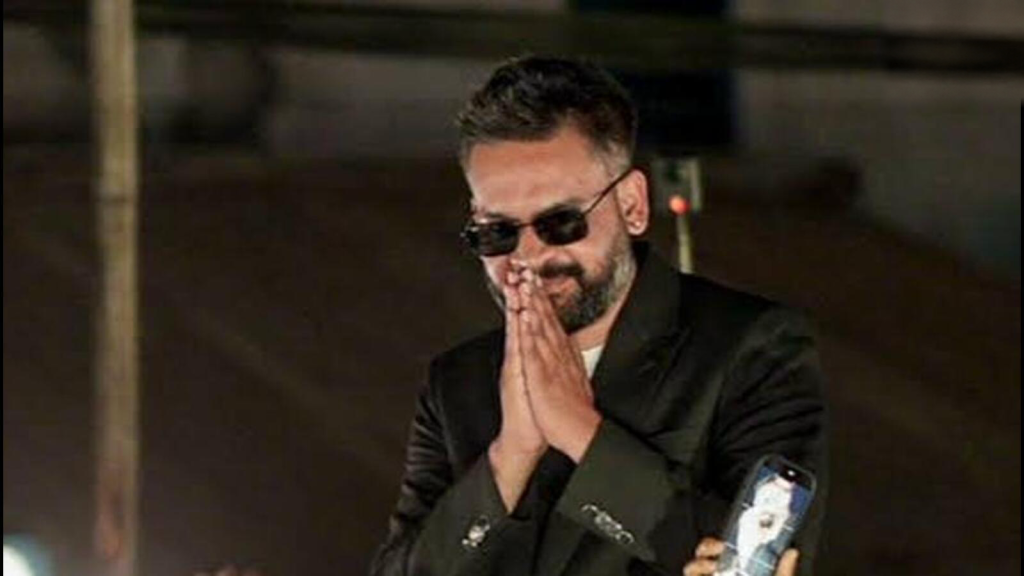
India has proposed a joint vision document covering economic cooperation, investment, transit, energy, digital connectivity and health, to be unveiled during Nepal Prime Minister Balen Shah’s visit next week, people familiar with the matter said. The move is part of efforts to carry forward a reset of bilateral relations between the two neighbours.
Shah, a rapper-turned-politician who took office in March and has avoided foreign travel since becoming prime minister, is set to arrive on November 22 and depart the following day, giving the trip a duration of a little more than 24 hours. Neither side has formally announced the visit yet.
Ahead of the trip, Kathmandu has conveyed a proposal for a $2 billion economic package, including $1 billion in grants, aimed at taking forward development projects and reconstructing areas affected by the Bhote Koshi flash floods, the people said.
The vision document, which is to be formally adopted at the conclusion of the visit, would set out long-term cooperation and targets in specific sectors: economic cooperation and trade, investment, transit, energy, digital connectivity, health, education and people-to-people ties. It would also consolidate existing cooperation and set targets for India-backed development projects, the people said.
Package to need project reports, absorption review
On Nepal’s proposed economic package, the people said detailed project reports would be required for both financial grants and soft loans, and that an assessment would have to be made of Nepal’s ability to absorb and utilise such grants and loans. They also pointed out that India has not rolled out an economic package of this magnitude in one go for any of its partners.
India’s new ambassador to Nepal, Sudhakar Dalela, met Shah in Kathmandu on Wednesday and discussed ways to advance bilateral ties and cooperation. The Indian embassy said Dalela also briefed the prime minister on preparations for the high-level visit.
Shah’s trip is being seen as an opportunity to reset the relationship, with the agenda expected to focus on economic matters, air, land and digital connectivity, improved border management, and employment and educational opportunities. It will also give the Nepali prime minister a chance to get to know India’s top leadership, the people said.
Leaders of Nepal’s ruling Rastriya Swatantra Party, which came to power in elections held after a Gen Z uprising in 2025 that unseated the government of KP Sharma Oli, have repeatedly said they are not burdened by historical baggage and want a relationship with India centred on concrete outcomes, including the need to create economic opportunities and provide additional air connectivity.
The visit will also be an occasion for the two sides to discuss differences in bilateral relations, including the territorial dispute over the border regions of Limpiyadhura, Lipulekh and Kalapani, and disagreements over the recruitment of Nepal’s Gurkhas in the Indian Army.