Rajasthan Police have made significant breakthroughs in the investigation into the November 3 blast on a railway track in Sri Ganganagar district, arresting two suspects from Punjab and identifying three Pakistan-based handlers believed to have orchestrated the plot. The breakthrough followed an intensive multi-agency probe that pieced together genuine hotel identification records, mobile tower data, and recovered phone recordings documenting the planting of the explosive device.
The arrested individuals, identified as Mehakdeep Kaur of Dostpur village and Devendra Singh of Chaudekalan village in Punjab’s Gurdaspur district, were taken into custody following a coordinated operation by Rajasthan Police and the Anti-Terrorism Squad (ATS). Both suspects were placed in police custody as investigators expand inquiries into cross-border logistics, financial transactions, and explosive supply routes.
Hotel Registers and Travel Reconstructions
The primary lead emerged during an inspection of guest houses and hotels across the region surrounding the blast site. A constable reviewing registers at the MR Hotel on Suratgarh-Vijaynagar Road, situated approximately 25 kilometers from the scene of the explosion, noticed that the suspects had submitted their authentic identification documents upon checking in on November 2. Despite subsequent efforts to conceal their identities, the official documents allowed detectives to pinpoint their profiles and confirm that they had visited the same establishment on three separate occasions.
Investigators reconstructed their journey, establishing that the duo traveled by train from Gurdaspur to Bathinda in Punjab before hiring a taxi to enter Sri Ganganagar. Additional visual evidence later surfaced from Vijay Nagar, where footage recorded on November 2 showed Kaur and Singh smoking outside a dairy booth adjacent to their hotel. Another recording from inside their room depicted Singh grooming himself in front of a mirror hours before the attack. On the morning of November 3, the pair allegedly planted an improvised explosive device (IED) directly on the railway tracks and promptly fled the district.
Border Signals and Recorded Proof
Technical analysis of mobile phone numbers and cellular towers played a decisive role in mapping the suspects’ movements. Surveillance showed Kaur’s device actively communicating in border sectors adjacent to the India-Pakistan international boundary in Punjab, raising immediate alarms regarding cross-border facilitation. Following their detention in Gurdaspur, forensic examinations of Kaur’s mobile phone yielded a video showing an explosive device being positioned on the railway track. Authorities believe the footage was deliberately captured as proof of execution to secure monetary payouts promised by their overseas handlers.
Handlers Identified Across the Border
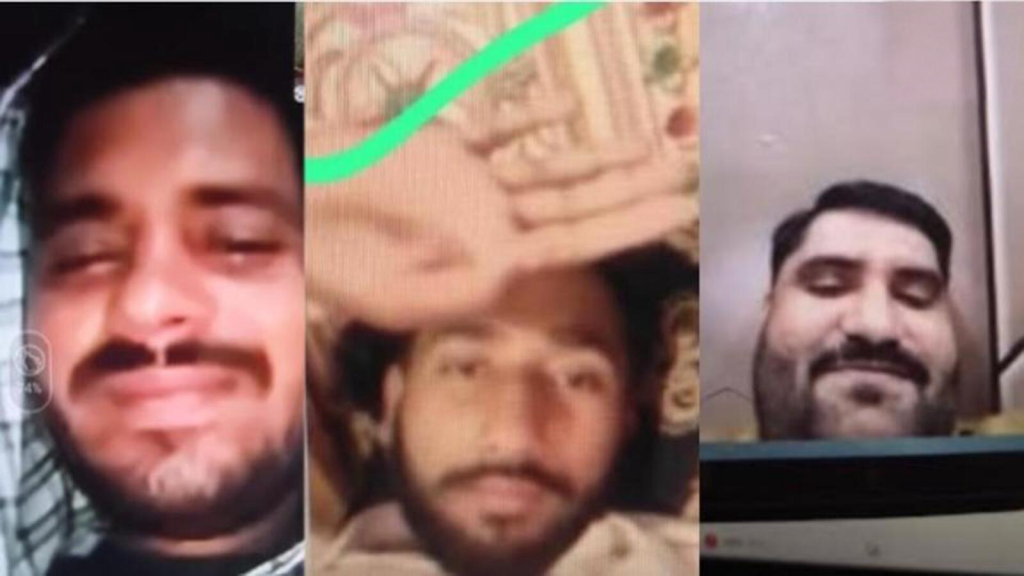
Counter-terrorism officials confirmed that the accused maintained direct contact with handlers located in Pakistan, who used video calling platforms to provide step-by-step instructions on assembling and planting the explosive mechanism. Police identified the three handlers as Lovely, Shah, and Bittu Chacha, suspecting them of operating under the direction of Pakistan’s Inter-Services Intelligence (ISI). Shah and an associated relative allegedly conducted the instructional video sessions with the suspects.
Bikaner Range Inspector General Om Prakash affirmed that all three Pakistani handlers have been formally identified, noting that the Rajasthan Director General of Police is collaborating with central intelligence and security agencies to initiate further legal and diplomatic procedures. Rajasthan Police plan to formally name the three overseas operatives in the chargesheet. Current inquiries remain focused on identifying local accomplices, tracing the financial channels used to sponsor the operation, and determining how the improvised explosives were procured and transported into Rajasthan.