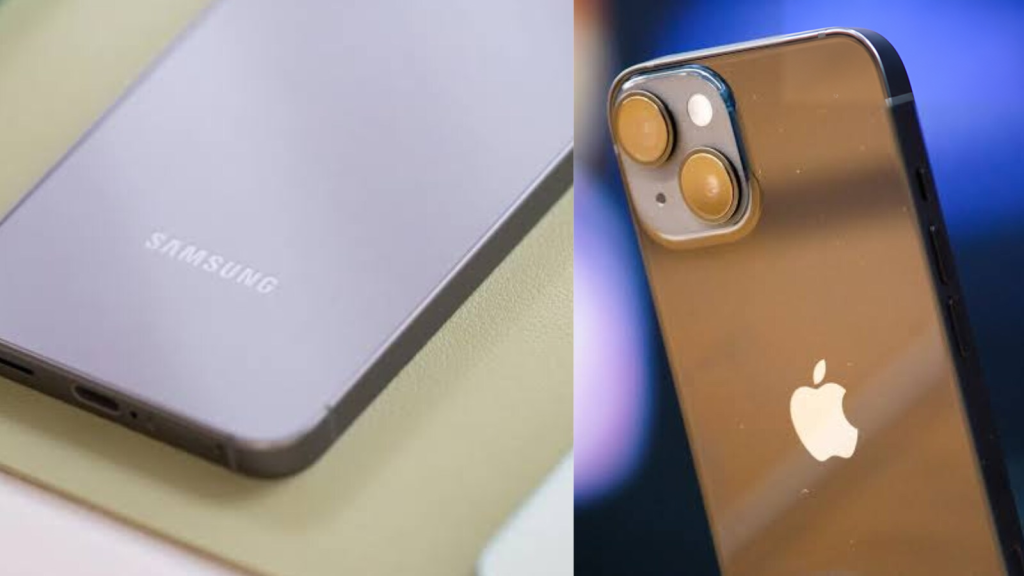
Samsung has regained the top position in India’s smartphone market after a gap of more than two years, ending Vivo’s reign as the leading handset brand. The shift in market leadership occurred during the July–September quarter of 2026, a period marked by an overall contraction in consumer demand, rising handset costs, and a sharp decline in Apple’s device shipments across the country.
Data from market research firm International Data Corporation shows that Apple experienced a 25% year-on-year drop in iPhone shipments, delivering approximately 3.7 million units during the September quarter. That total represents a significant slide from the record five million units shipped during the corresponding three-month period in 2025. The contraction pushed Apple down to fourth place in the overall Indian smartphone rankings.
Supply Constraints and Reduced Discounts Dent iPhone Volumes
Apple’s quarterly slowdown was driven by a confluence of inventory bottlenecks, elevated retail pricing, and fewer promotional markdowns on older models. Research findings indicate that supply shortages across multiple generations, including the iPhone 15, iPhone 16, and iPhone 17 lineups, curtailed Apple’s ability to fulfill demand during the quarter.
At the same time, reduced retail discounts on legacy inventory and upward price adjustments around the annual September launch dampened consumer appetite. While high-end variants performed solidly—with the newly launched iPhone 18 Pro and iPhone 18 Pro Max accounting for more than 30% of Apple’s total quarterly shipments in India—the standard iPhone 18 was not yet available for retail purchase during the July–September window, limiting total shipment volumes.
Samsung Breaks Out as Sole Top-10 Brand with Volume Growth
In contrast to the broader downturn, Samsung emerged as the only vendor among India’s top ten smartphone manufacturers to record positive volume growth during the quarter. The South Korean manufacturer reclaimed the number-one slot after ten quarters, supported by an extensive multi-tier portfolio and more restrained price adjustments across the first half of 2026.
Samsung’s quarterly shipments expanded by 7.9% year-on-year, lifting its domestic market share to 17.7%, up from 12.6% in the same period of 2025. Meanwhile, former market leader Vivo slipped to second place following a 29.9% year-on-year drop in shipments, which reduced its market share to 16.8%. Oppo held on to third position despite suffering a 26.5% decline in quarterly shipments.
India’s Handset Market Endures Weakest Festive Quarter in a Decade
The vendor reshuffle took place against the backdrop of India’s weakest festive quarter in ten years. Total smartphone shipments across the country contracted by 23.3% year-on-year to 36.8 million units during the third quarter. Escalating memory chip costs forced manufacturers to raise retail prices, sharply narrowing the margins available for seasonal festive discounts and prompting retail distributors to curtail inventory orders.
The squeeze was most severe in the budget tier. Shipments of entry-level smartphones priced under $100 collapsed by 90.9% year-on-year to just 700,000 units, cutting the ultra-budget category’s market share from 16.2% a year earlier down to 1.9%. While the average selling price of smartphones climbed 26.1% to reach a record $371, overall market value contracted by 3.3% due to the steep volume drop.
Industry projections suggest that pressure on handset vendors will persist through year-end. International Data Corporation forecasts a further shipment drop exceeding 25% year-on-year in the October–December quarter as stocks of lower-priced devices thin out, with full-year 2026 shipments expected to land between 125 million and 127 million units, down 16% to 18% compared to 2025.